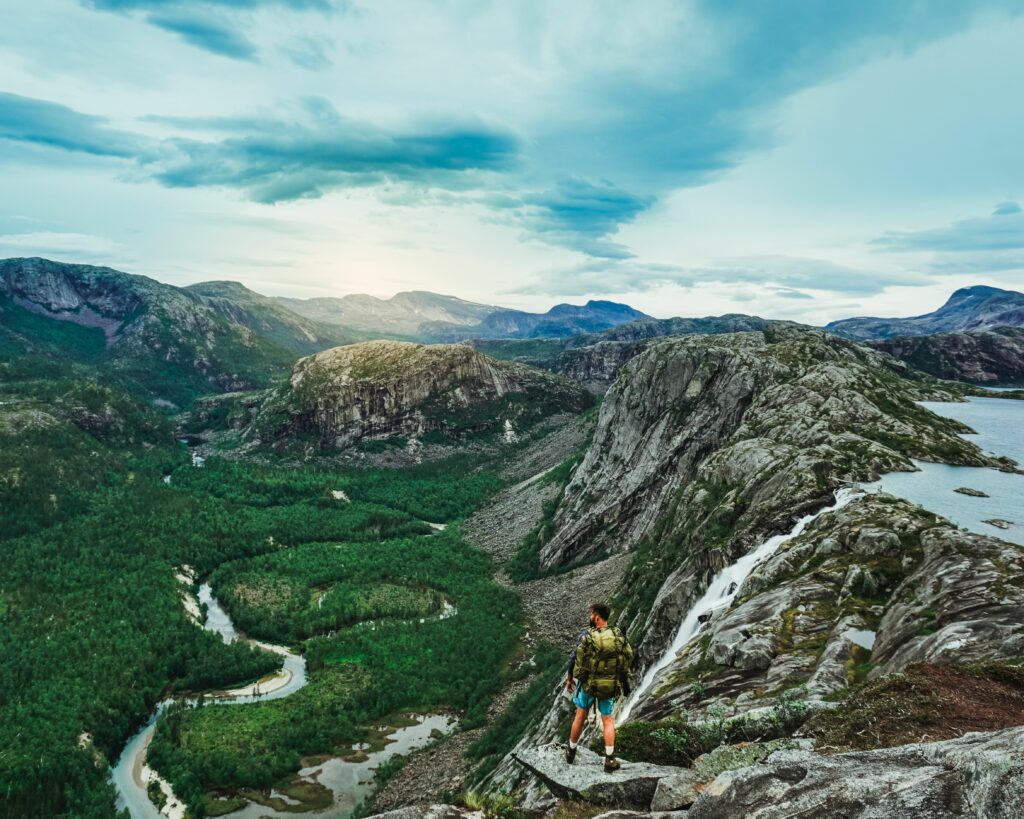
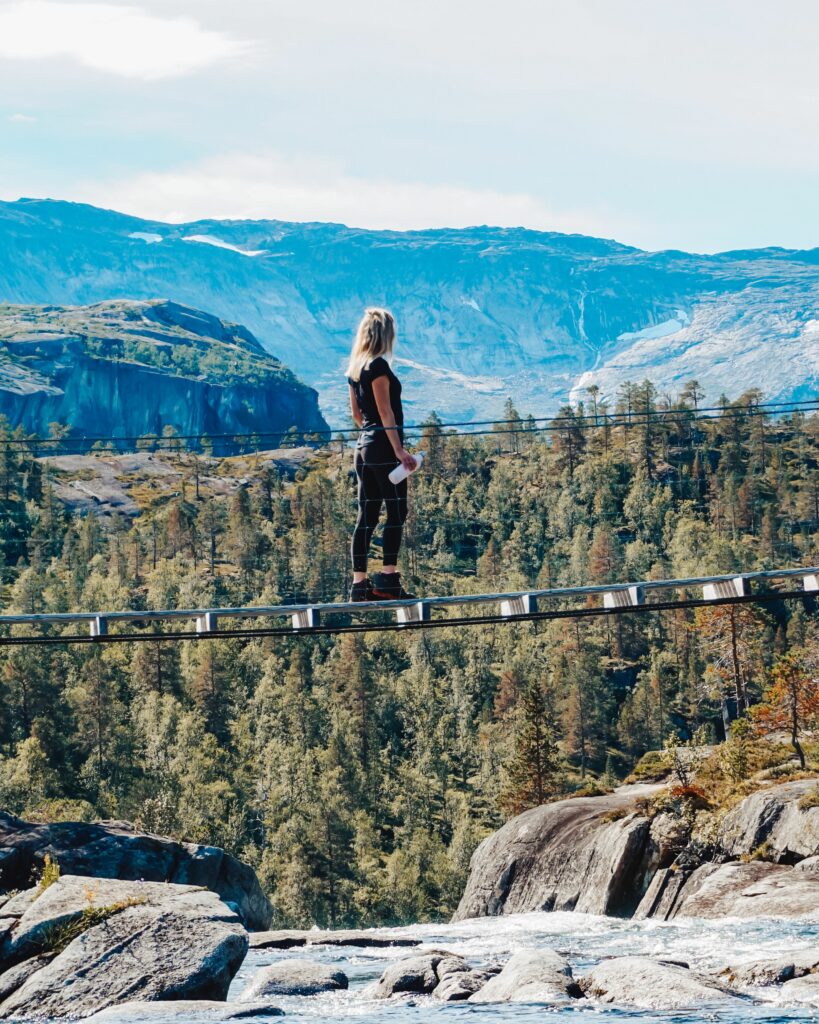
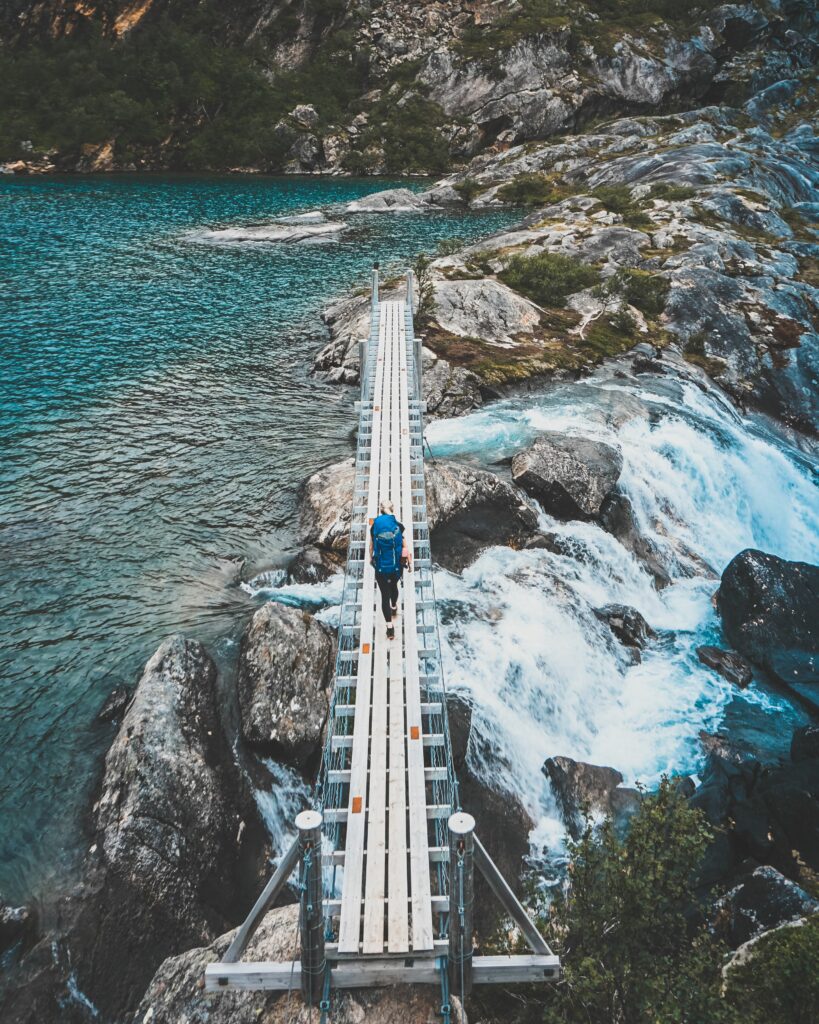
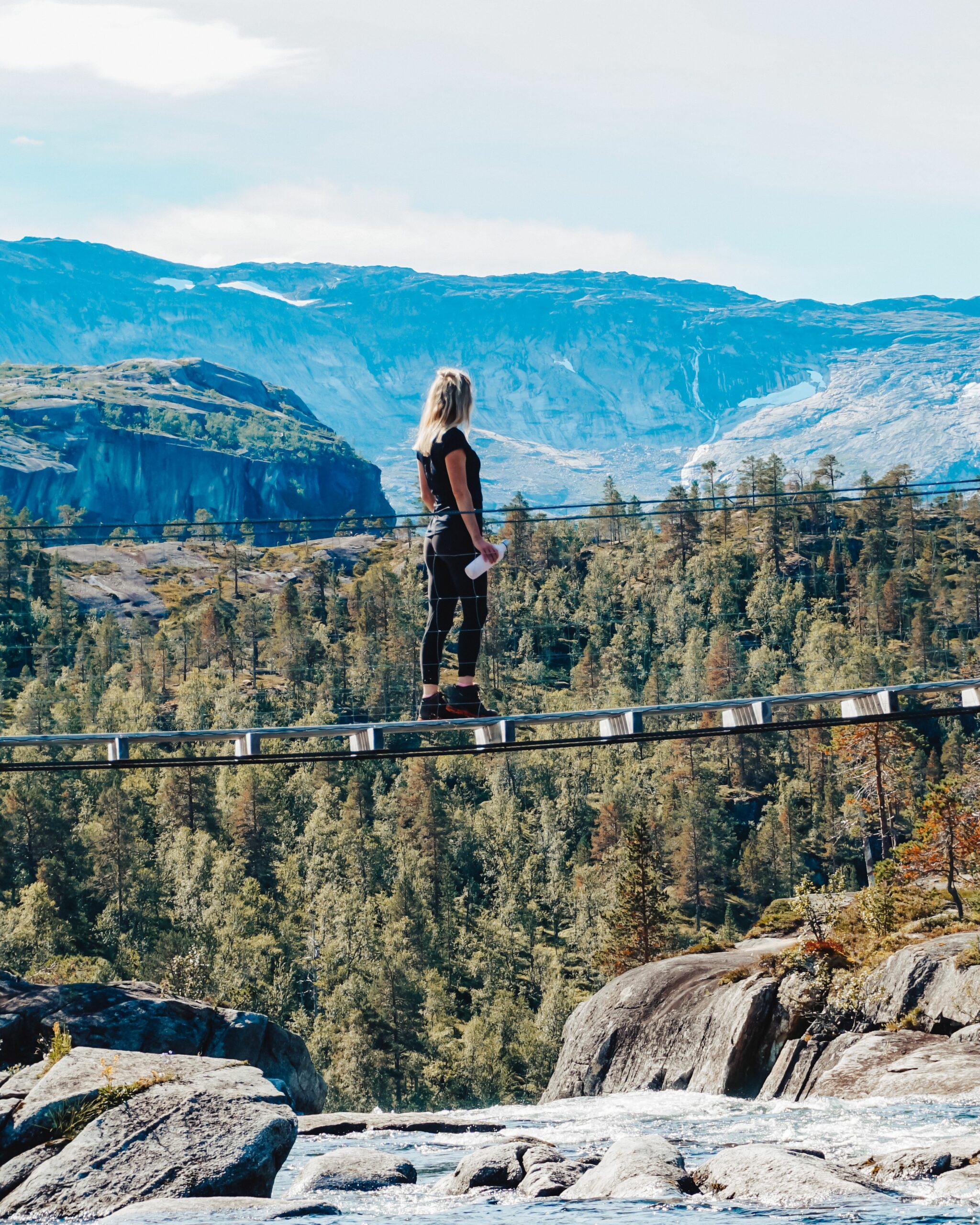
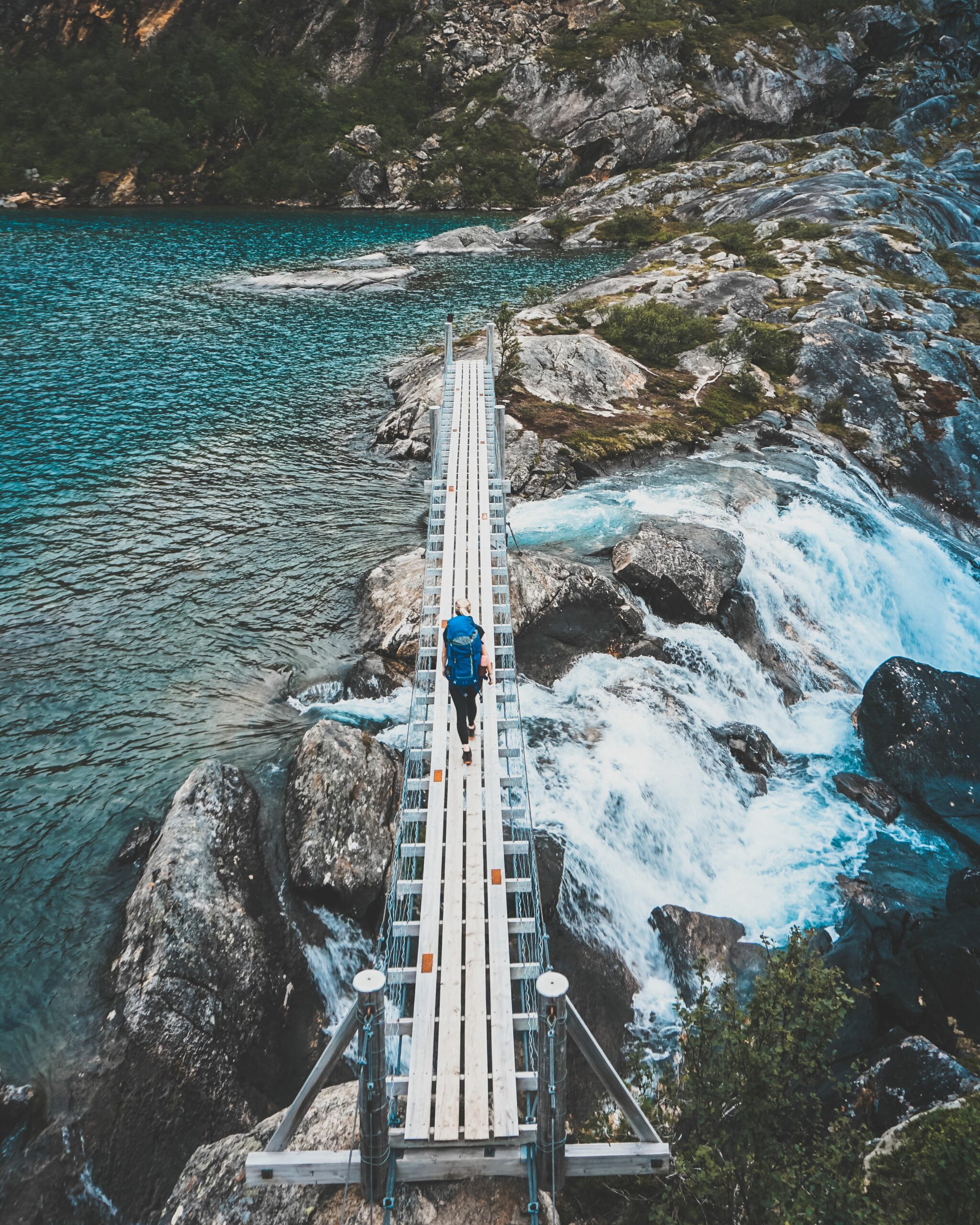
Although modest in size, Rago offers extraordinary experiences. Visitors are met by a dramatic landscape of deep valleys, glacially sculpted mountains, thundering waterfalls, tranquil pine forests and crystal-clear mountain lakes. The park is defined by its wilderness character and remarkable sense of solitude, where nature still dictates the conditions.
At the same time, Rago is a national park with very limited visitor infrastructure. The terrain can be demanding, weather conditions change rapidly, and mobile phone coverage is unavailable in many areas. Anyone planning a hike in Rago should be well prepared and travel responsibly, taking care to protect the natural environment. Much of the landscape, including the ancient pine forest, is considered an irreplaceable natural asset.
Experiences
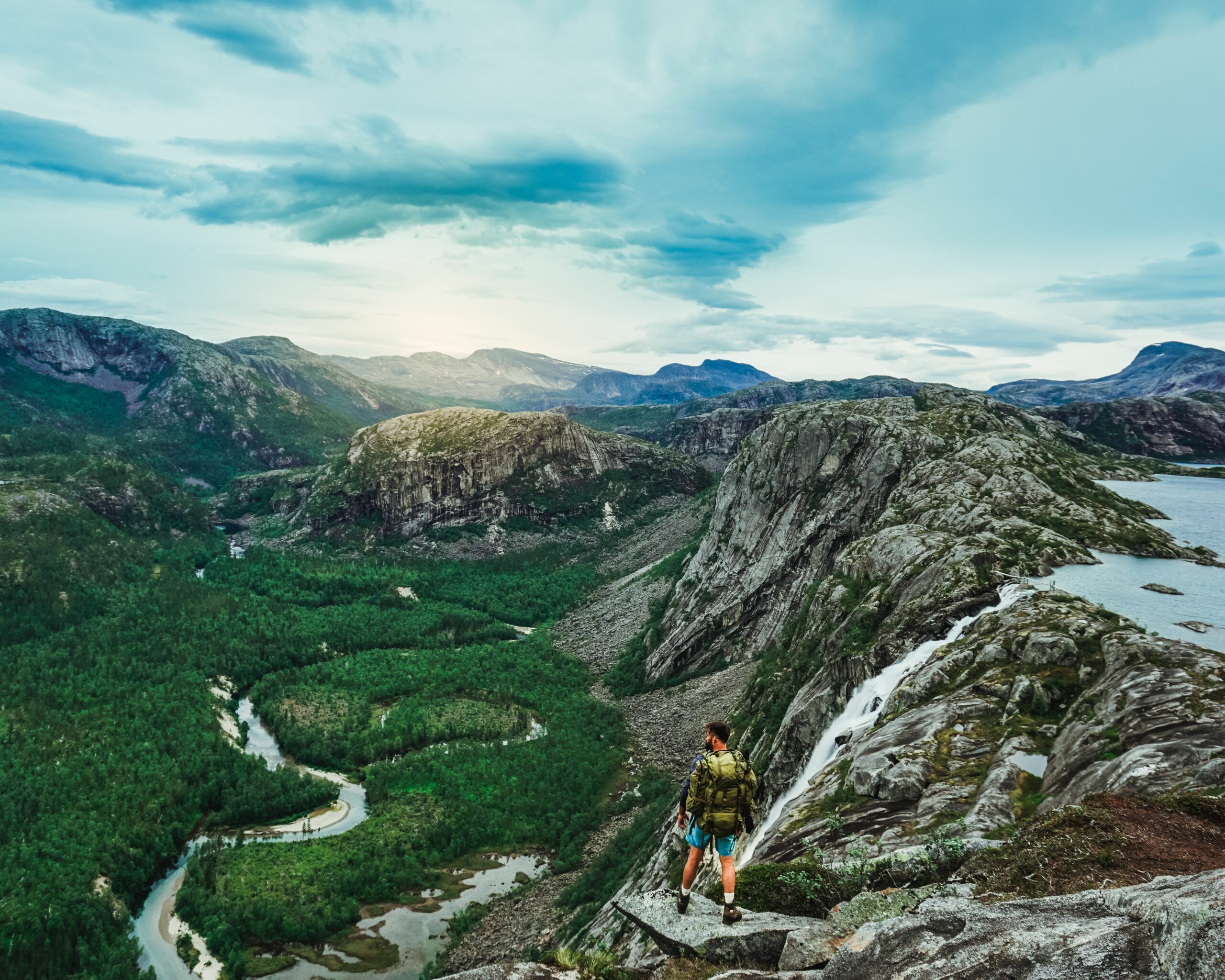
Rago’s most iconic viewpoint is Grisryggen, overlooking the spectacular Litlverivassfossen Waterfall. The famous “Rago view” was photographed from this location, and the hike is a rewarding day trip from the Litjsand car park. The marked trail passes through varied terrain and provides an excellent introduction to the national park’s unique landscape.
For those seeking a longer adventure, the Rago Circuit (“Ragorunden”) offers an authentic wilderness experience. Starting from Lakshol, at the innermost part of Nordfjorden, the marked trail forms a circular route of approximately 20 kilometres through some of Rago’s most characteristic scenery. Many hikers choose to spend the night near Storskogvatnet Lake along the way.
Facilities and Visitor Information
Compared with many other national parks, Rago has limited facilities and few accommodation options. Along the Rago Circuit there are several suitable camping areas. At Storskogvatnet, visitors may use the open wilderness cabin managed by Statskog or rent a cabin through the Fauske and Sørfold Hunting and Fishing Association.
Although parts of the trail network are marked, hikes are often more demanding than they appear on the map. River crossings, rocky terrain and rapidly changing weather make careful planning and appropriate equipment essential.
Parking capacity at the entrances to Rago National Park is very limited, particularly during the summer season. Please show consideration for local residents and other road users by avoiding parking along narrow roads or private driveways.
When visiting Rago, it is important to leave no trace and minimise your impact on the environment. Take all litter with you, keep a respectful distance from wildlife, and remember that you are travelling through a sensitive natural area. The ancient pine forest around Storskogvatnet is exceptionally valuable and must never be used for firewood. Only small fallen twigs and branches may be collected for campfires, and standing or fallen pine trees must not be damaged or removed. Many of Rago’s natural values are irreplaceable and highly vulnerable to wear and disturbance.
Recommended Trailheads
Lakshol is the main gateway to Rago National Park and the most popular starting point for the circular hike through the park. From here, a marked trail leads towards Litlverivatnet, Storskogvatnet and Ragohytta.
From Nordfjorden and Litjsand, visitors can easily reach the viewpoint overlooking the impressive Litlverivassfossen Waterfall, one of the park’s most popular day hikes.
Sørfjorden provides an alternative access point for experienced hikers looking for longer wilderness routes through the park and onwards into Sweden.
Was this helpful?
Thank you for your feedback!
Thank you for your feedback!
We are reading all feedback, but unfortunately we can not respond.