
Jekt Trade & Coastal Culture
Stickfish Trade made Northern Norway
For centuries, life in Northern Norway has been shaped by the sea. Long before cities and roads connected the region, it was the ocean that tied people together. The history of Northern Norway is a story of resilience, community, and the extraordinary ability to thrive in a harsh, remote coastal environment.
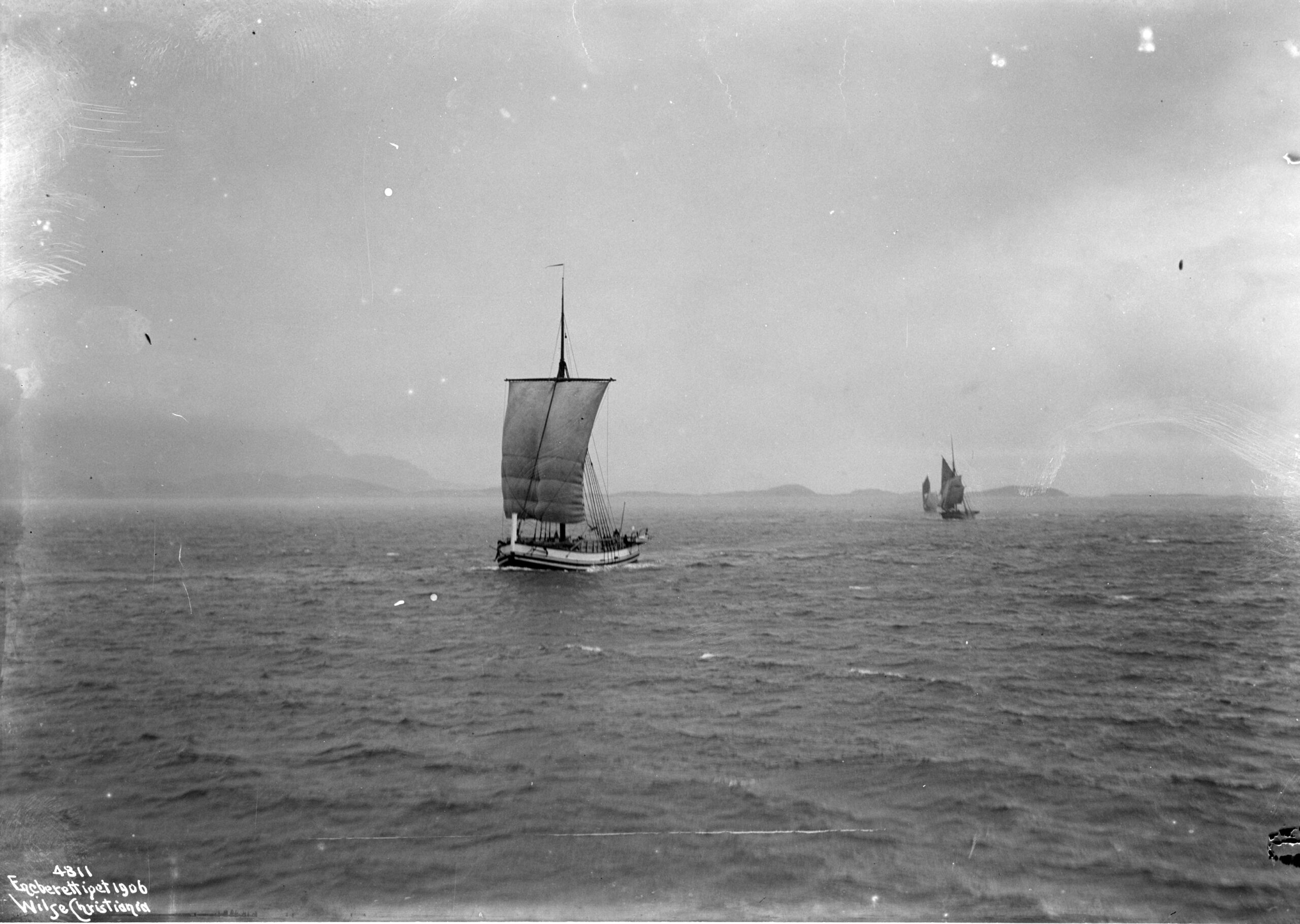
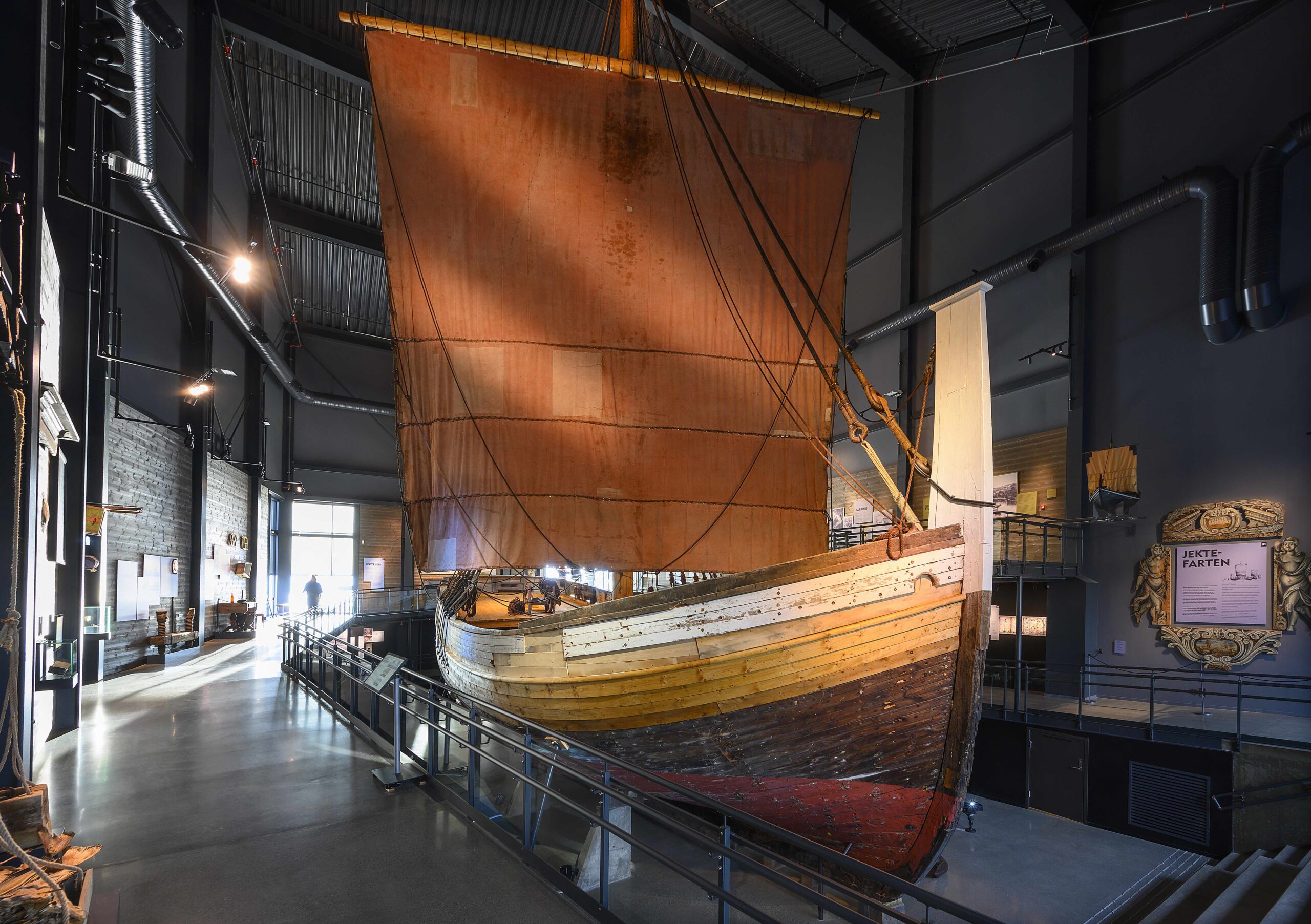
One of the most iconic symbols of this coastal culture is the “jekt” – a traditional Norwegian cargo boat that played a crucial role in connecting the far north to the rest of the country and Europe. Through the jekt trade, dried fish from Northern Norway made its way to international markets, becoming the very foundation of wealth, development, and eventually, the birth of towns like Bodø.


The long journey
For more than 1000 years, people in the north have traded with the outside world. Yet, until the late 1700s, Northern Norway had no towns of its own. Instead, goods—especially stockfish (air-dried cod)—had to be transported by sea to larger cities like Bergen, Trondheim, and Kristiansund before being exported further.
To make this journey, they used the jekt, a broad, single-masted cargo vessel built by hand in the fjords. These boats were the lifeline of Northern Norway’s economy for over 400 years. They carried dried fish and other local goods southward—through rough seas and unpredictable weather—on journeys that often spanned 1000 kilometers (over 500 nautical miles).
Without cities or professional merchants, it was up to the local farmers and fishermen themselves to organize the trade. Whoever could afford it would invest in a jekt, and local men would serve as crew. This system of cooperative shipping kept the north connected to the world long before modern infrastructure arrived.
Experience the Coastal Culture


The Coastal Woman
Craftsmanship, Survival and the Lofoten Chest
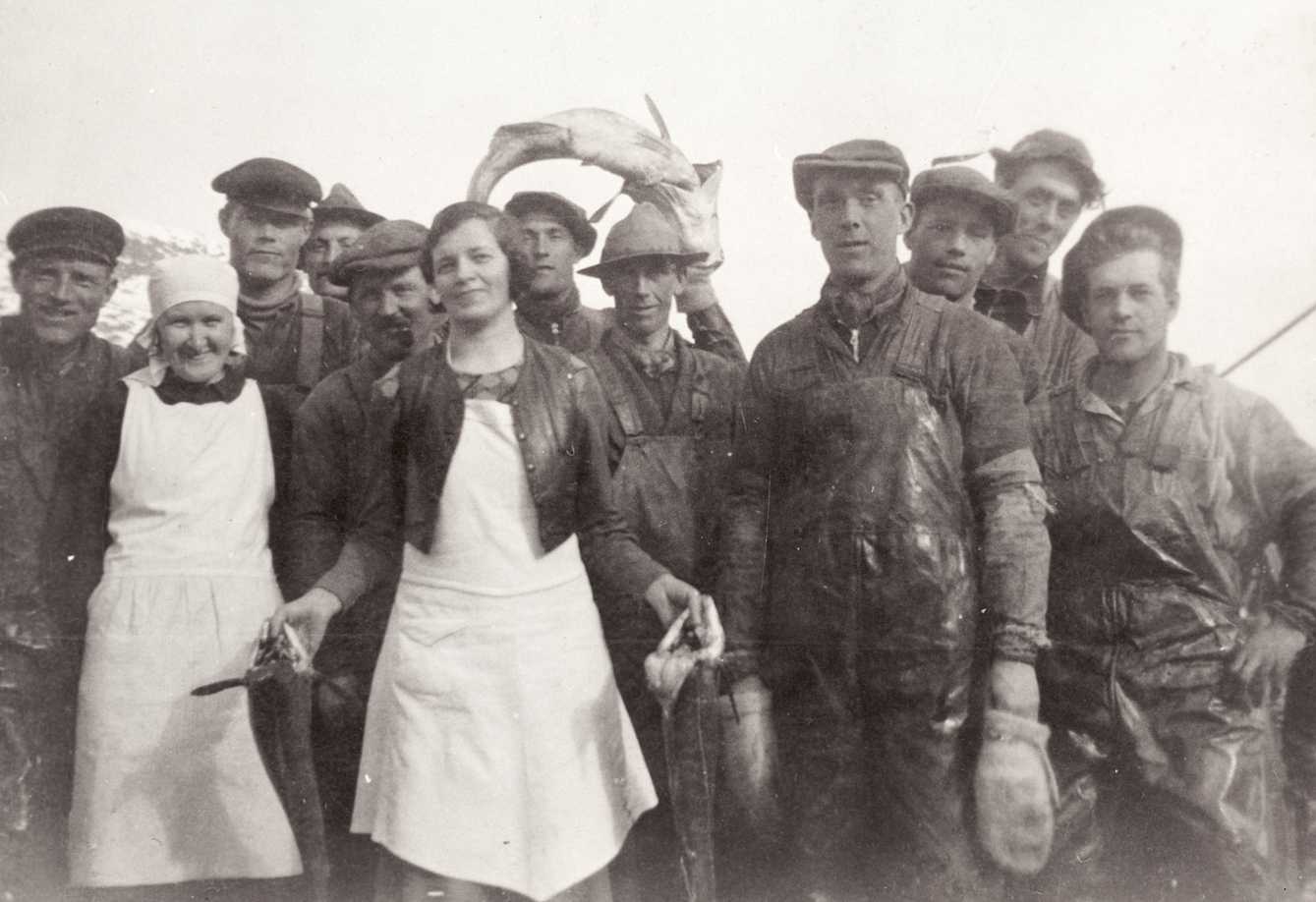
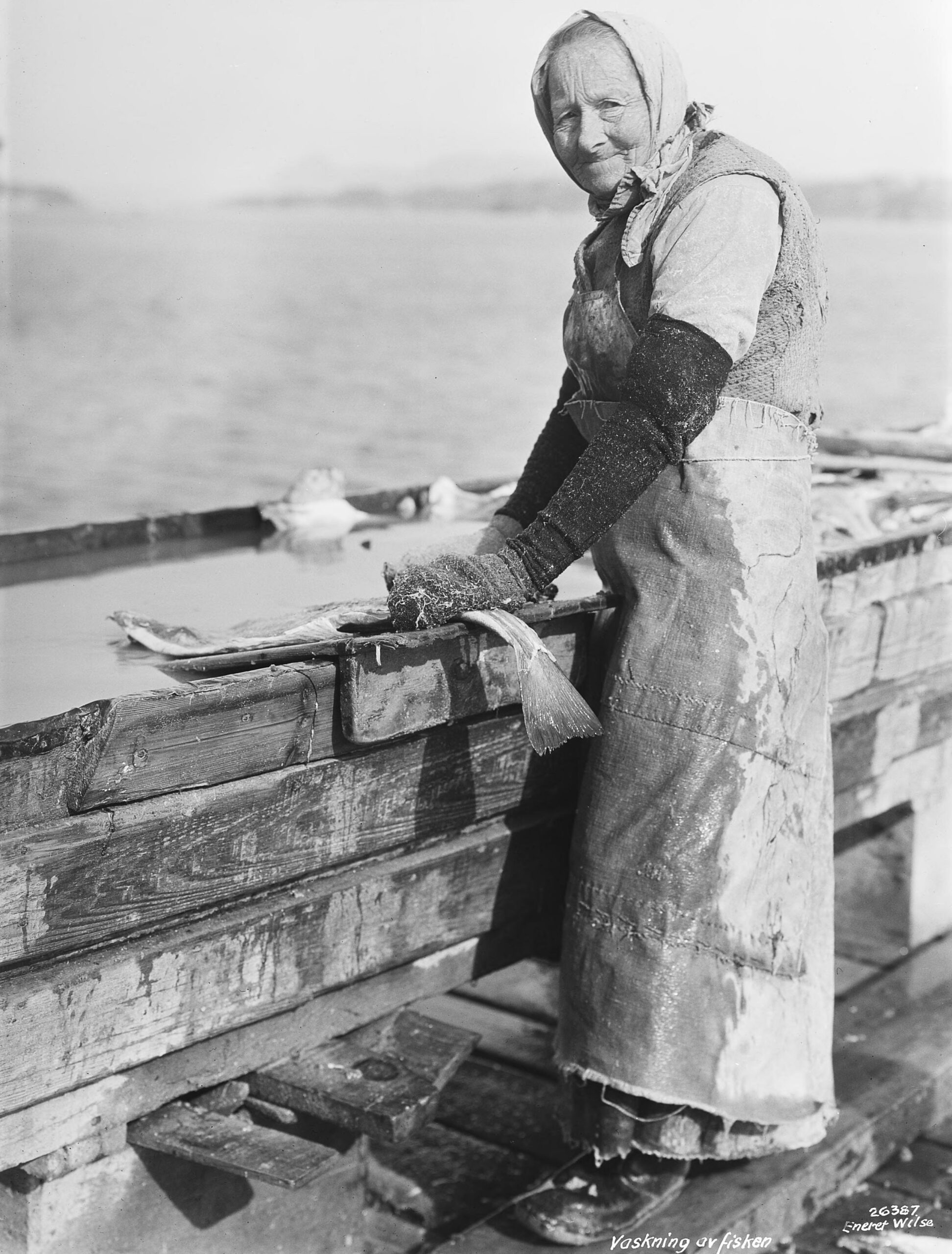
Life along the northern coast required contribution from every member of the household. In this rugged region, nothing went to waste: not time, not materials, not skill. Women in the fishing communities played a vital role, crafting clothing and supplies essential for survival at sea.
One of their most important tasks was to prepare the Lofotkiste – the “Lofoten Chest” – a large wooden box filled with clothes, food, and necessary items for the long seasonal fishing expeditions. The chest was a symbol of care, tradition, and countless hours of labour.
You could often spot women walking with balls of yarn tied to their belts, knitting as they went about their daily routines, ensuring that their husbands and sons had warm garments to face the cold and wet conditions at sea.
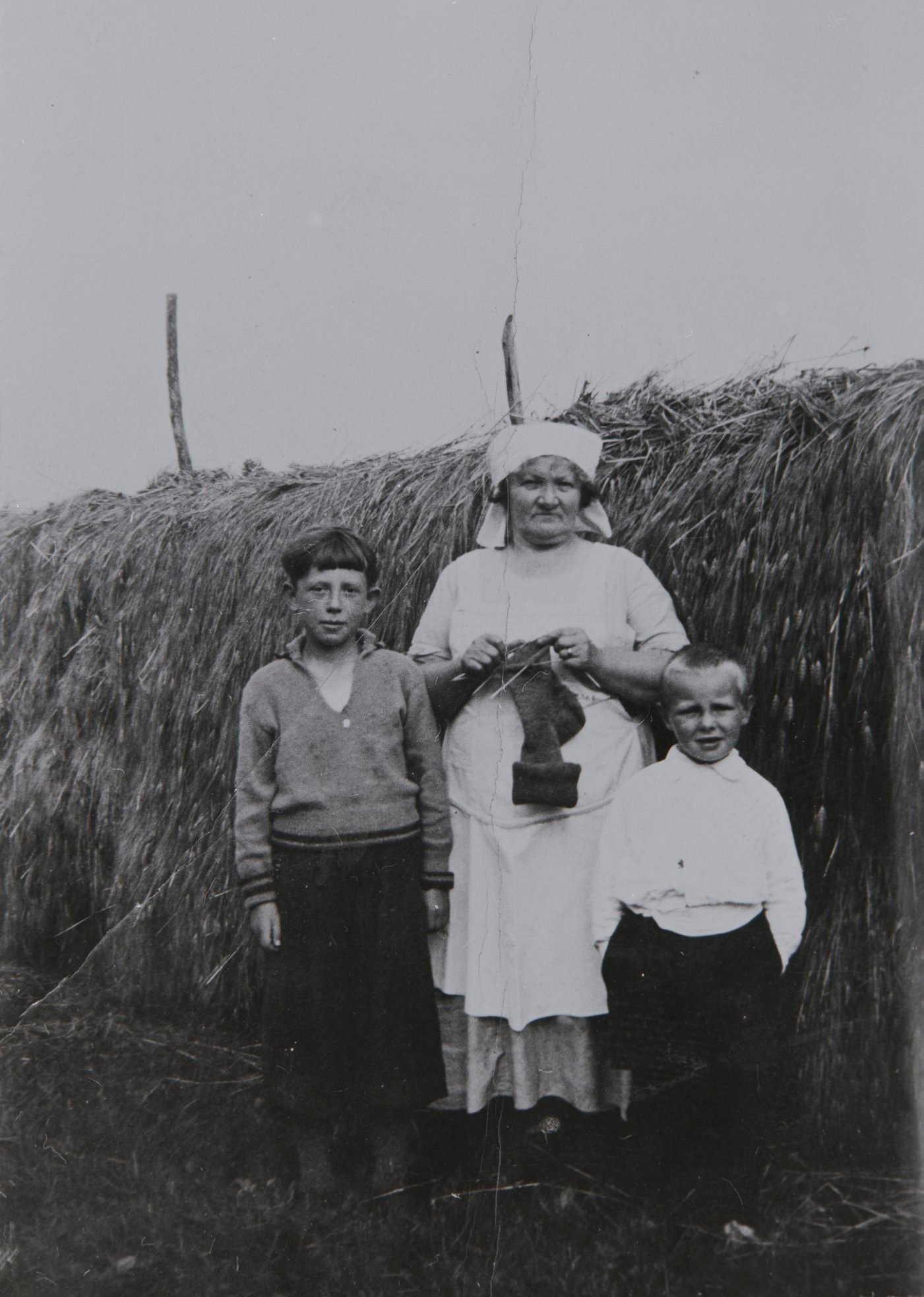
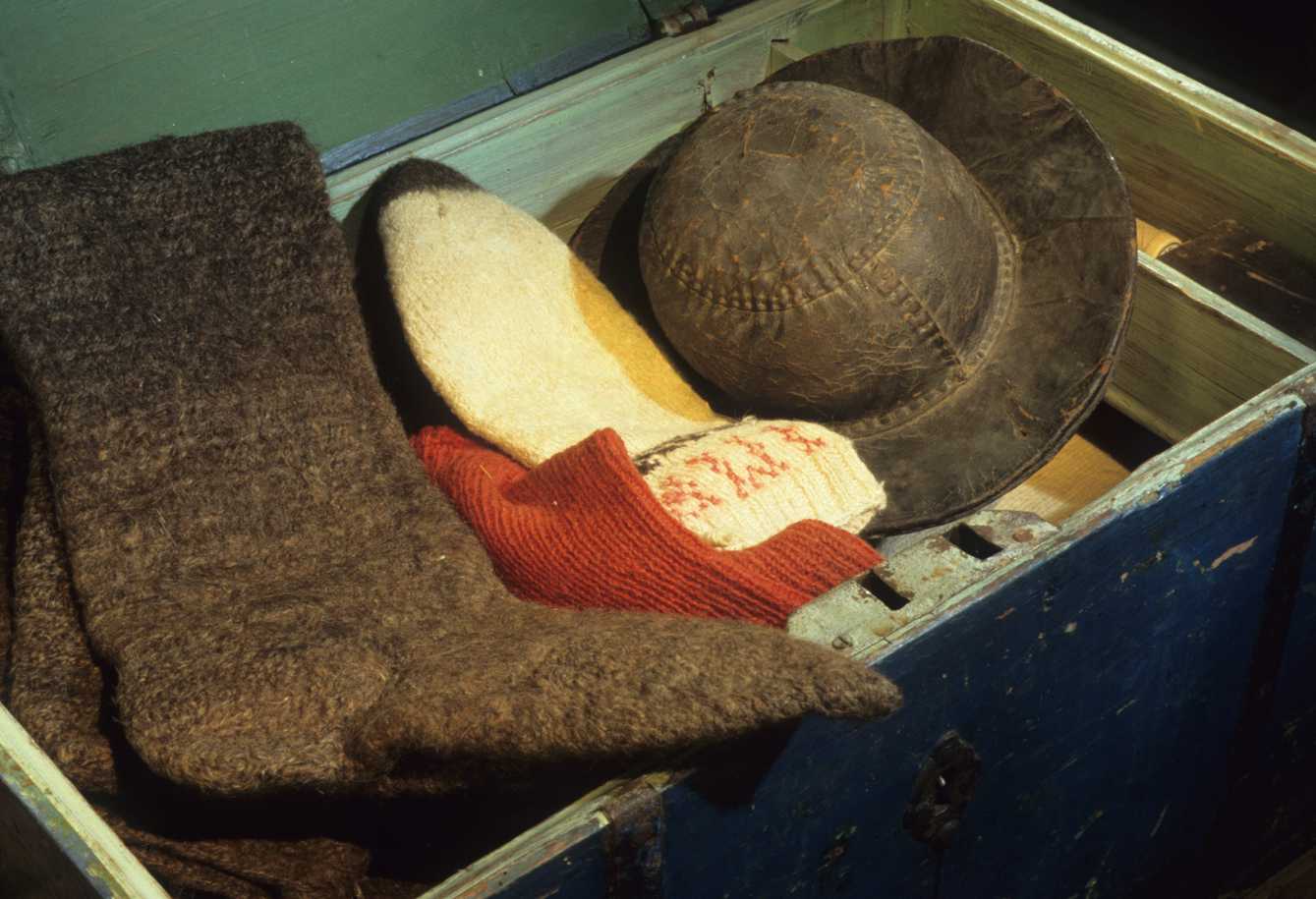


The Wool Undershirt: A Lifeline at Sea
Among the most treasured items in the Lofoten Chest was the wool undershirt, handmade from the softest, warmest sheep’s wool available. In the Arctic climate, proper clothing was not a luxury, it was a matter of life and death.
These undershirts were worn closest to the body and became such an essential part of every fisherman’s attire that they were simply called “under.” For the women left at home, knitting these garments was one of the few ways they could protect their loved ones at sea.

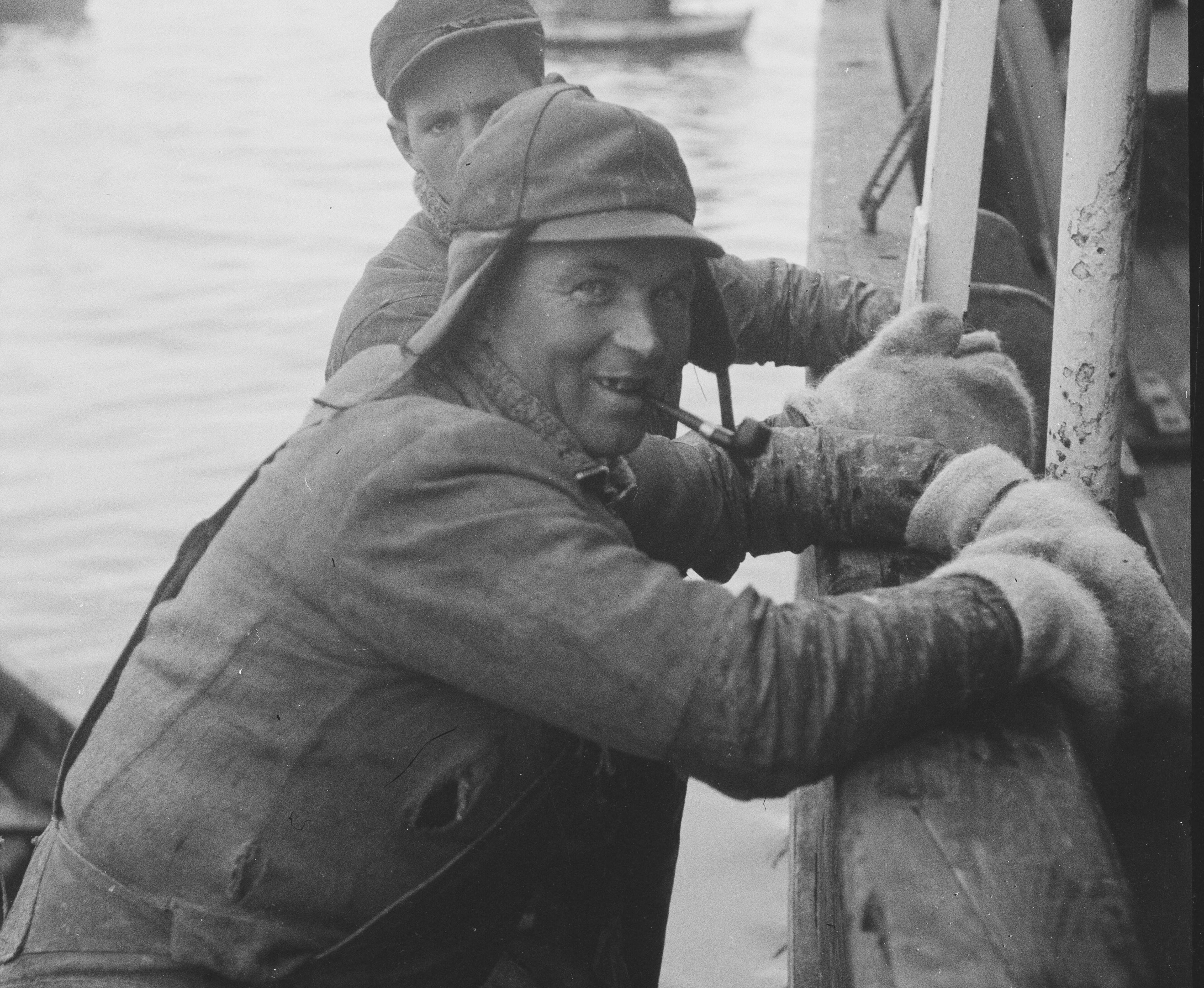


Sea Mittens: Ingenious Warmth
Another innovation was the “sjyvott”, or sea mittens. These were oversized woolen mittens, tightly felted to become water-resistant. Often designed with two thumbs, they could be turned around and worn on either side, which also helped them felt more tightly while rowing.
A working fisherman needed at least five pairs of these mittens on a voyage, plus one finer pair for special occasions. These simple yet brilliant pieces of clothing helped prevent frostbite and injury, making them crucial tools for survival.
Modern Craft from the North
Craftsmanship has always been essential to life in Northern Norway. Today, local artisans continue these traditions, now combining age-old techniques with modern design. While today’s wool products may be more stylish, the same values remain: function, sustainability, and quality.


Was this helpful?
Thank you for your feedback!
Thank you for your feedback!
We are reading all feedback, but unfortunately we can not respond.